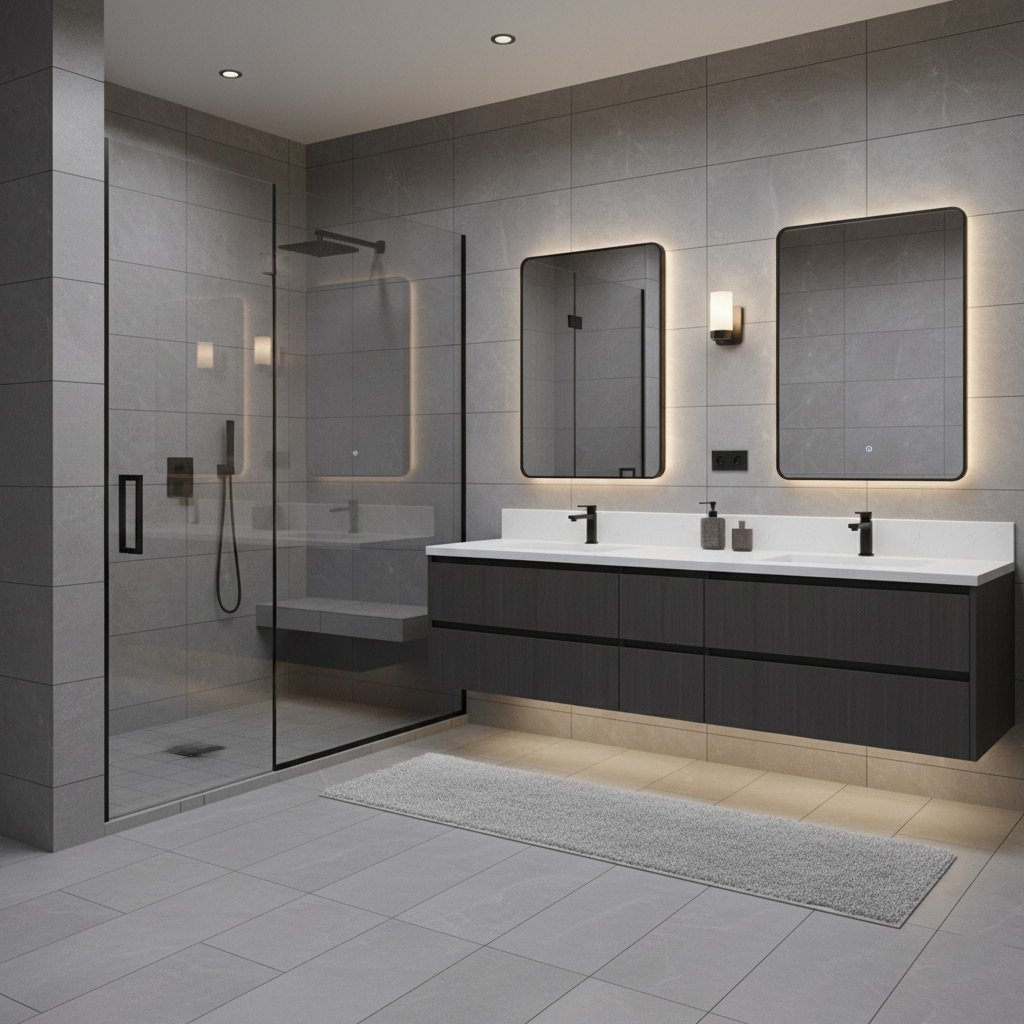
Picture this: you pull the shower curtain aside and are greeted by a clean, glass‑walled oasis that makes even the hottest Hawthorne summer feel like a spa retreat.
Homeowners in this corner of LA love swapping clunky tubs for sleek showers because it frees up floor space, boosts curb appeal, and cuts water bills without a major remodel.
But most DIY guides skip the gritty details that separate a leaky nightmare from a flawless conversion. That’s where the real secrets hide.
Ready to discover the exact moves that turn a dated tub into a showroom‑ready shower while keeping the budget in check? Let’s dive in.
Assessing Your Space, Layout, and Budget Before the Conversion
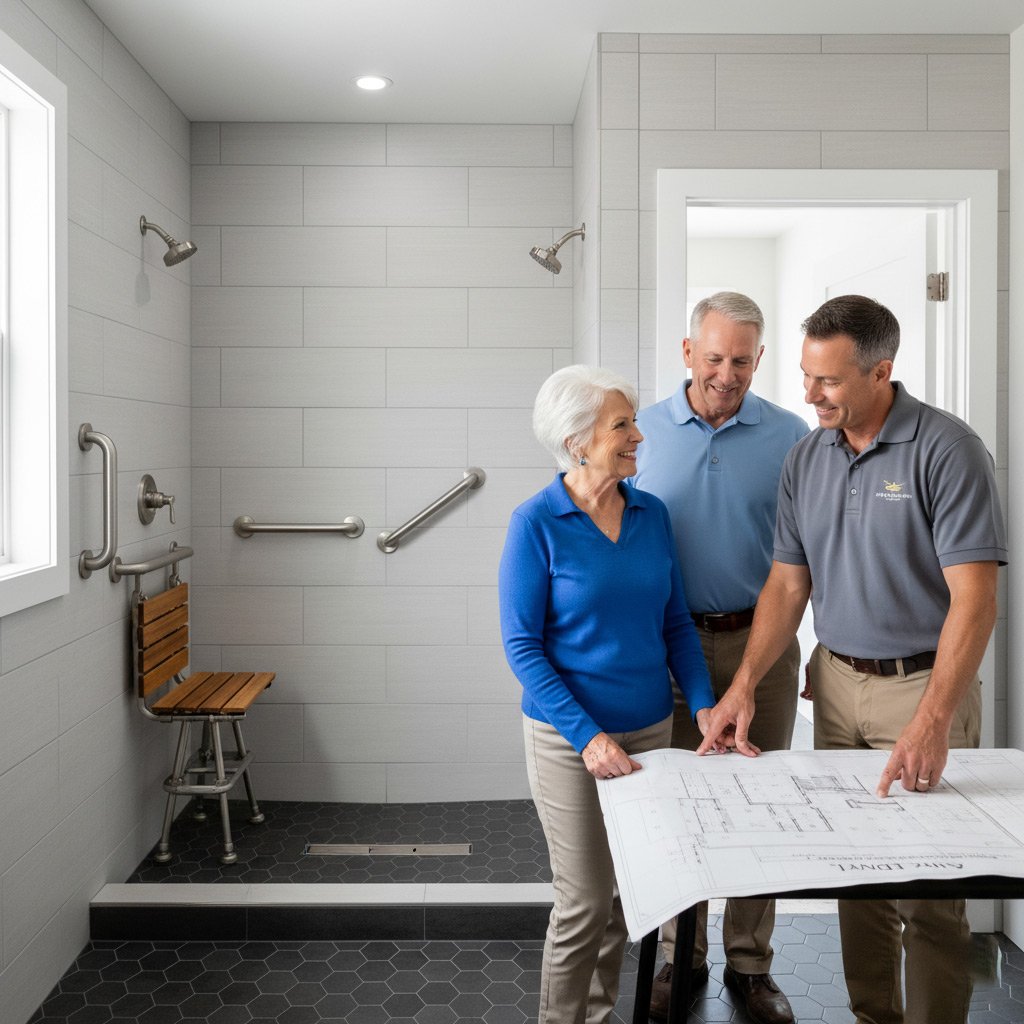
First thing’s first: measure the bathroom like a detective on a stakeout. Grab a tape, note the length, width, and ceiling height. Those numbers tell you whether a walk‑in shower fits or if you need a compact corner unit. Don’t forget the door swing, vanity footprint, and any quirks like a sloping floor that could bite you later.
Key questions to ask yourself
- How much floor space will you actually gain?
- Will the new shower interfere with existing plumbing walls?
- Is the current subfloor strong enough for a tiled shower pan?
Next up, the budget. Split it into three buckets: materials, labor, and contingency. A realistic split might look like 40 % for tiles and enclosure, 40 % for the plumber and carpenter, and 20 % for surprises (like hidden rot or code upgrades). Write those numbers on a whiteboard; seeing the totals stops wishful thinking.
Finally, map out the traffic flow. Sketch a quick floor plan and draw arrows showing how you’ll move from the door to the vanity to the shower. If the path feels cramped, consider moving the toilet or swapping the vanity for a slimmer model. A clear layout now saves you headaches when the crew starts tearing out the old tub.
Selecting the Ideal Shower Enclosure, Tiles, and Fixtures for Hawthorne Homes
Enclosure choices that survive the SoCal sun
In Hawthorne, a glass door that fogs up or cracks under the heat is a deal‑breaker. Go for tempered, low‑iron glass with a matte finish; it stays clear, resists scratches, and looks like a piece of art.
- Frameless models give a sleek, modern vibe and are easier to clean.
- Sliding doors save space in tight bathrooms.
- Consider a pivot door if you have a wider entry—no more fighting the swing.
Tile tricks for style and slip‑resistance
Tile is the canvas of your new shower, so pick something that handles water and looks good with a beach‑side vibe. Porcelain or ceramic with a textured surface gives grip without sacrificing elegance.
- Large‑format tiles (12×24") make the space feel bigger.
- Use a contrasting mosaic as a border to add visual interest.
- Match the grout color to the tile for a seamless look, or go dark for a dramatic edge.
Fixtures that blend function with curb‑appeal
Hawthorne homeowners love a shower that feels like a mini‑spa but doesn’t drain the wallet. Choose a single‑handle thermostatic valve for precise temperature control and water savings.
- Rain‑head showerheads deliver that luxurious cascade.
- Handheld sprayers add flexibility for kids and pets.
- Finish options—brushed nickel, matte black, or oil‑rubbed bronze—should echo the home’s exterior palette.
Reworking Plumbing: Relocating Drains, Supply Lines, and Ventilation
Map the Existing Layout
Start by tracing the current drain pipe from the tub to the main stack. Mark every elbow and vent on a simple sketch; you’ll thank yourself when the plumber arrives.
Identify where the water‑supply lines enter the wall. In many Hawthorne homes they’re tucked behind a drywall chase that can be opened with a few cuts.
Shift the Drain Position
Most shower bases sit a few inches lower than a tub, so the drain often needs to be dropped. This means cutting the concrete slab or adjusting the sub‑floor joist.
Use a PVC “sweep” fitting to angle the new drain toward the existing stack. Keep the slope at ¼‑inch per foot to avoid standing water.
Reroute Supply Lines & Add Ventilation
Move the hot and cold lines to the new shower valve location. Flexible copper or PEX runs make the job faster and reduce the chance of leaks.
Don’t forget a dedicated vent pipe; it prevents suction that can cause slow drainage. A simple 2‑inch vent stub can be tied into the nearest vent stack.
- Turn off water at the main shut‑off.
- Pressure‑test the new lines before closing walls.
- Seal all connections with plumber’s tape and pipe dope.
Waterproofing Essentials: Membranes, Subfloor Prep, and Leak Prevention
Why Waterproofing Matters
One slip in the waterproofing plan and you’ve got a soggy nightmare that can ruin hardwood, rot framing, and invite mold. Protecting the subfloor isn’t optional—it’s the foundation of a lasting shower.
In Hawthorne’s climate, humidity spikes after a summer rain, so a single missed seam can become a slow‑leak that shows up months later.
Choosing the Right Membrane
There are two proven players: a sheet‑type PVC or a liquid‑applied rubber. Sheet membranes give you a visual cue—see the seams, tape them, and you’re done. Liquid membranes flow into every nook, perfect for irregular corners.
- PVC sheet: easy to cut, fast to install, requires meticulous seam sealing.
- Liquid rubber: slower cure time, but creates a seamless barrier that hugs the substrate.
- Both need a primer compatible with the existing concrete or backer board.
Subfloor Prep & Leak Guard
Start with a clean, level surface. Remove old mortar, sand down high spots, and vacuum every speck of dust.
Next, lay a crack‑isolating membrane over the subfloor before the main waterproof layer. This extra sheet catches any movement from the house settling.
- Apply a thin coat of thin‑set to bond the membrane.
- Seal all pipe penetrations with a flexible, mold‑resistant caulk.
- Install a sloped pre‑slab (1/4" per foot) toward the drain to encourage proper runoff.
Step‑by‑Step Installation: Base, Walls, Doors, and Finishing Touches
Base Installation
Start with a clean, level subfloor. Mortar the pre‑sloped shower pan to the floor, checking for a 1‑2% slope toward the drain.
Lay the waterproof membrane over the pan, overlapping the walls by at least 6 inches. Seal every seam with a quality tape before the mortar sets.
Wall Construction
Attach the backer board to the studs, leaving a ¼‑inch gap at the floor for drainage. Screw it down every 8 inches for rock‑solid support.
Apply the waterproofing membrane in a “wet‑on‑wet” fashion, then tape the joints. When the membrane cures, you’re ready for tile.
- Choose slip‑resistant tiles for safety.
- Use a notched trowel for even mortar spread.
- Press tiles firmly; use spacers for consistent grout lines.
- Grout with a polymer‑enhanced mix, then seal.
Doors & Finishing Touches
Install the shower door frame first, making sure it’s plumb and square. Secure the hinges, then hang the glass panels.
Wrap up with a quick inspection: check for leaks, verify the door swings smoothly, and add accessories like a handheld showerhead or niche shelves.
Case Study: From Outdated Tub to Spa‑Ready Shower in a Hawthorne Residence
When the Martinez family called, their 1970s claw‑foot tub was more a relic than a relaxation spot. They wanted a sleek shower that wouldn’t eat up the tiny bathroom footprint and would survive the scorching summer heat. Our mission: turn that clunky tub into a spa‑like retreat without blowing the budget.
The Blueprint
- Layout audit: Measured every inch, discovered a hidden 12‑inch clearance for a linear drain.
- Chosen enclosure: Frameless glass with a brushed‑nickel handle – looks premium, costs less than a custom tile wall.
- Tile selection: Porcelain 12×12 tiles in a light‑gray “sand” finish; easy to clean, low‑maintenance.
- Plumbing tweak: Shifted the supply line 8 inches to the left, installed a PEX manifold for future upgrades.
- Waterproofing: Applied a 2‑layer liquid membrane, then a self‑adhesive sheet under the new base.
Installation wrapped up in just five days. The new shower now boasts a rainfall head, a built‑in bench, and a recessed niche for shampoo. The Martinez’s water bill dropped 15%, and they swear the bathroom feels three times larger. Their kids even begged to stay longer after school – proof that a smart conversion can upgrade both function and fun.
Final Words
Before you swing that shower door closed, remember the little things that keep a conversion from turning into a headache. A tight seal on the glass, a properly sloped floor, and a well‑ventilated space are the unsung heroes of a leak‑free shower.
Quick Checklist
- Inspect the shower pan for levelness; even a quarter‑inch tilt can cause pooling.
- Seal every joint with 100% silicone – no shortcuts.
- Verify the vent fan runs at least 1 CFM per square foot of shower area.
Got a question that slipped through the cracks? Our team in Hawthorne lives and breathes tub‑to‑shower projects. Drop us a line, or explore more about our Tub to Shower Conversions services.
People Also Ask
How much does a tub‑to‑shower conversion typically cost in Hawthorne, CA?
A standard conversion in Hawthorne ranges from $4,000 to $8,000, depending on the chosen fixtures, tile materials, and any necessary plumbing upgrades. Labor costs are higher in the Los Angeles County area, so getting multiple quotes is advisable.Can I keep my existing bathtub plumbing when converting to a shower?
In many cases the existing drain and water supply can be reused, but the layout often requires repositioning the drain for proper slope and adding a dedicated shower valve. A professional plumber will assess whether the current plumbing meets local code requirements.What type of shower enclosure works best for small bathrooms in Hawthorne?
Sliding or bi‑fold glass doors save space and provide easy access in compact layouts. Frameless glass panels also create a sense of openness, making the bathroom feel larger.Is waterproofing mandatory for a tub‑to‑shower conversion?
Yes, waterproofing is essential to prevent water damage and mold growth. Installing a liquid‑applied membrane and sealing all seams ensures a watertight barrier beneath the tile.How long does a typical tub‑to‑shower conversion take from demolition to finish?
Most residential conversions are completed in 7‑10 business days, assuming no unforeseen structural issues. The timeline includes demolition, plumbing adjustments, waterproofing, tiling, and final fixture installation.
Hawthorne Bathroom Remodel specializes in comprehensive bathroom renovations, bringing over a decade of craftsmanship to homeowners in Hawthorne, CA. Their team combines skilled tradespeople with a deep understanding of local design trends to deliver functional, stylish spaces. Committed to personalized service, they guide each project from concept through completion with clear communication and attention to detail.
Need Bathroom Remodel?
We provide fast, reliable home repair services to residents and businesses in Hawthorne, CA and nearby ZIPs (90250, 90280, 90291, 90293). Our teams focus on getting the job done quickly so you can get back to normal.
Get Quick Quote